IMHNR - PLANTATION, FL
Transcranial Magnetic Stimulation (TMS Therapy)
Find Real Relief from Depression with
NeuroStar® TMS Therapy
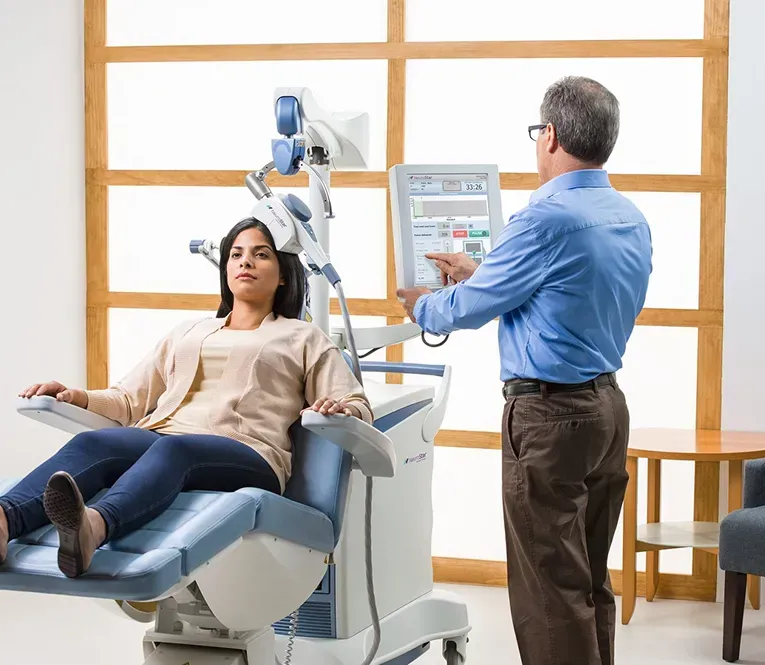
If medications haven’t helped your depression, there’s a proven way forward. NeuroStar® TMS Therapy uses gentle magnetic pulses to awaken areas of the brain, helping you lift your mood, restore motivation, and finally feel like yourself again.
Safe, effective, and trusted by physicians nationwide.
Understanding Transcranial Magnetic Stimulation
What Is TMS?
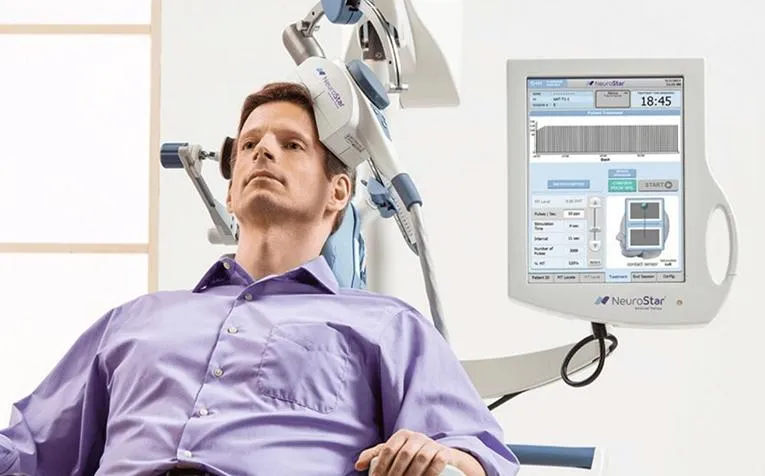
TMS Therapy is a safe, drug-free treatment that helps the brain heal from depression by using gentle magnetic pulses to activate areas that control mood and energy.
It’s designed for people who haven’t found relief with medication or prefer a natural, non-invasive approach. Over time, TMS helps your brain reconnect and restore balance so you can start feeling like yourself again.
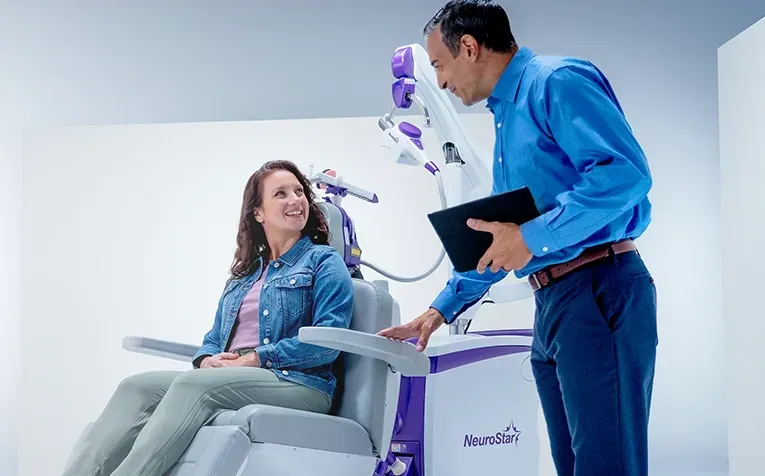
Each session is done right here in our office, lasts about 19 minutes. You can return to your normal day immediately after treatment.
Tailored for Real Recovery
Conditions Treated with TMS
TMS is best suited for individuals experiencing:
Treatment-Resistant Depression (TRD)
For patients who haven’t found relief through multiple antidepressant trials.
Major Depressive Disorder (MDD)
When depression symptoms interfere with daily life and function.
Anxiety with Depression
Where mood instability is accompanied by persistent worry or tension.
Medication-Intolerant Depression
For those who experience side effects or medical issues with oral antidepressants.
Backed by Results
Key Benefits of TMS Therapy

FDA-approved for
treatment-resistant depression
Drug-free and non-invasive with no systemic side effects
Helps improve mood, energy, and cognitive clarity
Allows patients to remain
alert—no downtime or sedation required
Safe for long-term use and can be combined with therapy or other treatments
Compassion Meets Expertise
Why Patients Feel Safe Choosing Us for NeuroStar® TMS Therapy
At Insight Mental Health & Recovery, TMS therapy is more than science, it’s care that feels human.
Our compassionate team creates a warm, welcoming space where you’re heard, supported, and guided through every step of your healing journey.
From your first visit to your final session, we help you feel seen, comfortable, and confident that you’re in good hands.
What Our Patients Appreciate Most:
Personalized care by board-certified providers
Friendly, caring staff
Calm, welcoming environment
Real support every step
Noticeable results that last
Start Where You Are
Begin NeuroStar® TMS Therapy at IMHNR
If medication hasn’t worked and you’re still struggling with depression, TMS at IMHNR could be the breakthrough you’ve been waiting for. Let’s talk about whether it’s right for you.
Frequently Asked Questions
1. How do I start TMS treatment in Plantation, FL?
You can start TMS treatment by scheduling a mental health evaluation with our providers.
During your consultation, our team will review your symptoms and treatment history and determine if NeuroStar TMS Therapy is appropriate for you. Many patients are able to schedule same-day or next-day appointments depending on availability. Our clinic in Plantation, FL serves patients from Davie, Sunrise, Fort Lauderdale, and across Broward County who are looking for advanced depression treatment. To learn more, visit our TMS page or schedule a consultation through our appointment page.
2. What is TMS therapy?
TMS therapy is a non-invasive treatment that uses magnetic pulses to stimulate areas of the brain involved in mood regulation.
It is commonly used for depression that has not improved with medication. Our clinic offers NeuroStar TMS Therapy, the #1 physician-recommended TMS treatment. It is an FDA-cleared system widely used to treat depression safely and effectively. Treatments are performed in the office while patients remain awake and comfortable. To learn more, visit our TMS page.
3. Who is a good candidate for TMS therapy?
You may be a good candidate for TMS if your depression has not improved with medication or if you cannot tolerate antidepressant side effects.
Our board-certified providers perform a full evaluation to determine if NeuroStar TMS therapy is right for you. Many patients consider TMS after trying one or more medications without sufficient relief. Patients from Plantation, Davie, Sunrise, Fort Lauderdale, and surrounding Broward County communities often seek TMS when looking for non-medication treatment options. To learn more, visit our TMS page.
4. Is TMS therapy safe?
Yes, TMS therapy is considered a safe and FDA-cleared treatment for depression.
NeuroStar TMS Therapy has been extensively studied and used over 7.4 million times in more than 200,000 patients. Treatments are delivered using precise magnetic pulses that target specific brain areas involved in mood regulation. When performed by trained medical professionals, TMS is well tolerated and requires no anesthesia or sedation.
5. Does TMS therapy hurt?
Most patients say TMS feels like a light tapping sensation on the scalp.
The sensation usually becomes more comfortable after the first few sessions. Patients remain awake during treatment and can return to normal activities immediately afterward. Because it is non-invasive, there is no recovery time required.
6. How long does each TMS session take?
Most NeuroStar TMS sessions take about 20 minutes.
Patients typically receive treatment five days per week for several weeks, depending on their treatment plan. Sessions are performed in our clinic, and patients can return to work or daily activities right afterward. Your provider will monitor your progress throughout treatment.
7. How soon will I feel results from TMS therapy?
Some patients begin noticing improvement within a few weeks of starting TMS treatment.
For others, changes may occur gradually over the course of the full treatment series. Your provider will monitor your response and adjust your care plan if needed. Many patients experience meaningful improvements in mood and daily functioning.
8. Does insurance cover TMS therapy?
Yes, many major insurance plans cover TMS therapy for depression.
Our clinic accepts several major insurance providers, including Medicare, UnitedHealthcare, Oscar, Aetna, and Florida Blue. Coverage depends on your individual plan and medical criteria, and our team can help verify your benefits before treatment begins. For more details about coverage, visit our insurance page.
9. Do I need to stop my medications before starting TMS?
Without insurance, a full course of TMS therapy typically costs between $6,000 and $15,000.
However, most patients do not pay the full amount because insurance often covers the majority of the treatment. When covered, out-of-pocket costs may only be standard co-pays depending on the plan. Our team can review your coverage and explain expected costs before starting treatment.
10. Who is a good candidate for injectable buprenorphine?
No, most patients continue taking their medications during TMS treatment.
Your provider will review your current medications and create a personalized treatment plan. TMS can safely be used alongside medication management when appropriate. Many patients receive TMS as part of a comprehensive mental health care plan.
11. Can TMS be combined with therapy or medication management?
Yes, TMS is often combined with other mental health treatments.
Many patients continue medication management or psychotherapy while receiving TMS. Our clinic offers integrated psychiatric care to support patients throughout their treatment. Combining treatments can sometimes improve overall outcomes.
12. Does TMS cause weight gain or medication-like side effects?
No, TMS therapy does not cause weight gain or sedation.
Unlike many antidepressants, TMS is not associated with sexual side effects, weight changes, or daily medication use. TMS also does not cause cognitive side effects or memory problems that may occur with other treatments. Most patients tolerate treatment very well.
13. Who should not receive TMS therapy?
TMS may not be appropriate for people with certain metal implants or medical conditions.
Individuals with metal or electronic implants in or near the head, such as cochlear implants or certain aneurysm clips, may not be candidates due to the magnetic field used during treatment. Patients with a history of seizure disorders may also require additional evaluation. Our providers perform careful screening to ensure treatment safety.
14. How long do the benefits of NeuroStar TMS therapy last?
Many patients experience relief from depression symptoms for six months to a year or longer after completing NeuroStar TMS therapy.
NeuroStar is the only TMS treatment clinically proven to remain effective through 12 months in adults with treatment-resistant depression (TRD). A typical treatment course involves daily 20-minute sessions, five days per week, for about six weeks, which is usually around 36 sessions. In a recent study, 83% of patients experienced improvement in depression symptoms and 62% achieved symptom remission. If symptoms return later, some patients benefit from occasional maintenance or “tune-up” sessions to help extend results.
To learn more about how NeuroStar TMS therapy works, visit our TMS page.
15. Do you offer TMS therapy near Fort Lauderdale and Davie?
Yes, our clinic in Plantation, FL provides TMS therapy for patients throughout Broward County.
Many patients travel from Davie, Sunrise, Fort Lauderdale, Weston, and nearby communities for treatment. Our location offers convenient access for people seeking advanced depression care in South Florida. To learn more, visit our TMS page.
16. Do you have Spanish-speaking staff?
Yes, we have Spanish-speaking staff available to assist patients.
Our team works to ensure patients feel comfortable throughout the entire treatment process. Spanish-speaking support is available during scheduling, intake, and clinical visits when needed.


What We Offer
Privacy Policy . Terms & Conditions
© All Rights Reserved Insight Mental Health & Recovery Powered by RewardLion Ai Powered Solutions 2025